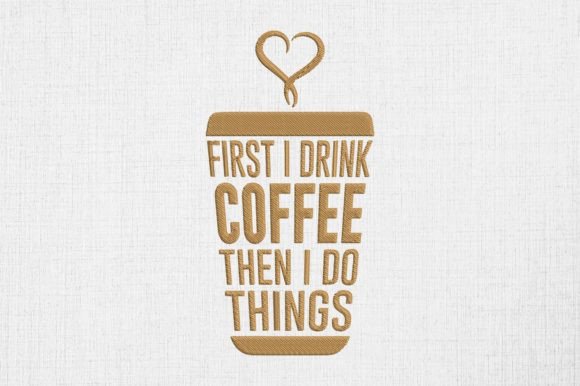
First I Drink Coffee Then I Do Things
A Bold Statement for the Everyday Maker
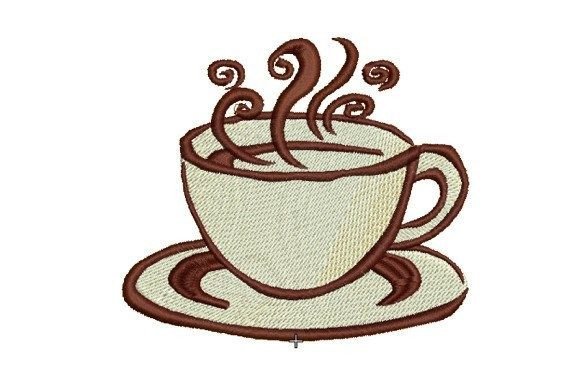
First I Drink Coffee Then I Do Things is a design that immediately feels relatable and modern. Its title suggests a lifestyle, which is a strong hook for craft fair buyers who are often looking for products that reflect their personal style or daily routines. The phrase itself has a playful yet confident tone, making it ideal for a range of handmade products.
Perfect for a Variety of Craft Fair Products
This embroidery design performs well across multiple product types. From tote bag design to apron embroidery, tea towel embroidery, and even embroidered patch, the versatility of First I Drink Coffee Then I Do Things makes it a valuable asset for any handmade shop. It can be scaled up or down depending on the product, which is essential for creating a cohesive booth display.
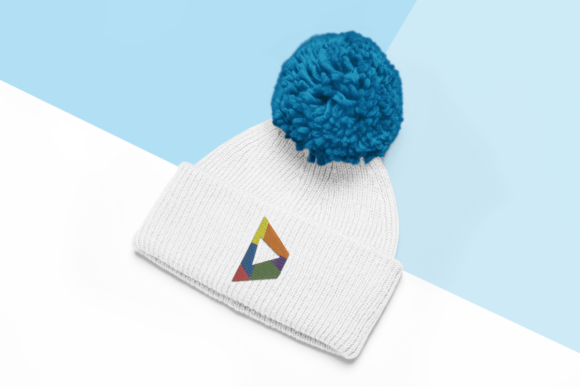
For example, when applied to tea towels, the design works as a subtle yet eye-catching accent. On caps, it becomes a bold focal point, while on pillow covers or market bags, it adds a touch of personality without overwhelming the piece. This adaptability is a key selling point in a craft fair setting where variety is important.
Visual Appeal and Customer Engagement
The visual appeal of First I Drink Coffee Then I Do Things is strong. The design is clean and minimal, which is currently trending in the handmade market. It’s not too busy, allowing customers to connect with the message quickly. At a craft fair, this clarity helps draw attention and encourages interaction with the booth.
When photographing for online listings, such as Etsy seller profiles or printable mockups, the design maintains its integrity. The simplicity ensures that it looks good both in person and in digital formats, which is crucial for attracting online buyers who may not see the product in person before purchasing.
Practical Embroidery Considerations
As an experienced designer, I would recommend testing First I Drink Coffee Then I Do Things on scrap fabric first. The design’s stitch density is moderate, which is great for most fabrics, but it's important to check the thread contrast against the background fabric. A high-contrast thread color will ensure the design stands out, especially on dark or textured fabrics like tea towels.
Stabilizer use is also critical. Depending on the fabric type, you may need to use a hoop size that accommodates the design without stretching. For small shop product batches, ensuring consistent stitching and proper stabilizer placement will help maintain quality across all finished products.
Design Assets and Commercial Use
The design comes with multiple embroidery file formats, which is a plus for commercial use. However, it's important to confirm licensing terms before selling finished products. As a digital embroidery file, it should include all necessary design assets for seamless production. If not specified, always double-check these details before mass producing.
For commercial embroidery businesses, the design’s scalability means it can be used across various product lines. Whether it’s a handmade product sold at a local market or a craft fair product displayed on a booth, the design holds up well in different contexts.
Notes on Careful Use
While First I Drink Coffee Then I Do Things is versatile, there are some considerations to keep in mind. Dense stitch areas and small lettering can be tricky on thick or textured fabrics. Testing the design on a patch or fabric pouch before full production is recommended to avoid issues with clarity or durability.
Additionally, designs that may lose detail at smaller sizes should be reviewed carefully. Ensuring that the design remains legible and visually appealing on smaller items like caps or market bags is essential for maintaining product value and customer satisfaction.
Conclusion: A Strong Choice for Handmade Entrepreneurs
First I Drink Coffee Then I Do Things is a well-rounded design that offers both aesthetic appeal and practicality. It’s easy to understand at a glance, works well across a range of handmade product types, and photographs beautifully for online listings. With careful planning and attention to detail, this design can become a standout item in your craft fair booth or Etsy shop.
As a professional embroidery designer, I recommend using this design as a small shop product with a focus on quality and consistency. By following best practices like testing on scrap fabric, using the right stabilizer, and confirming commercial embroidery licensing, you’ll create products that resonate with customers and support your brand consistently.